
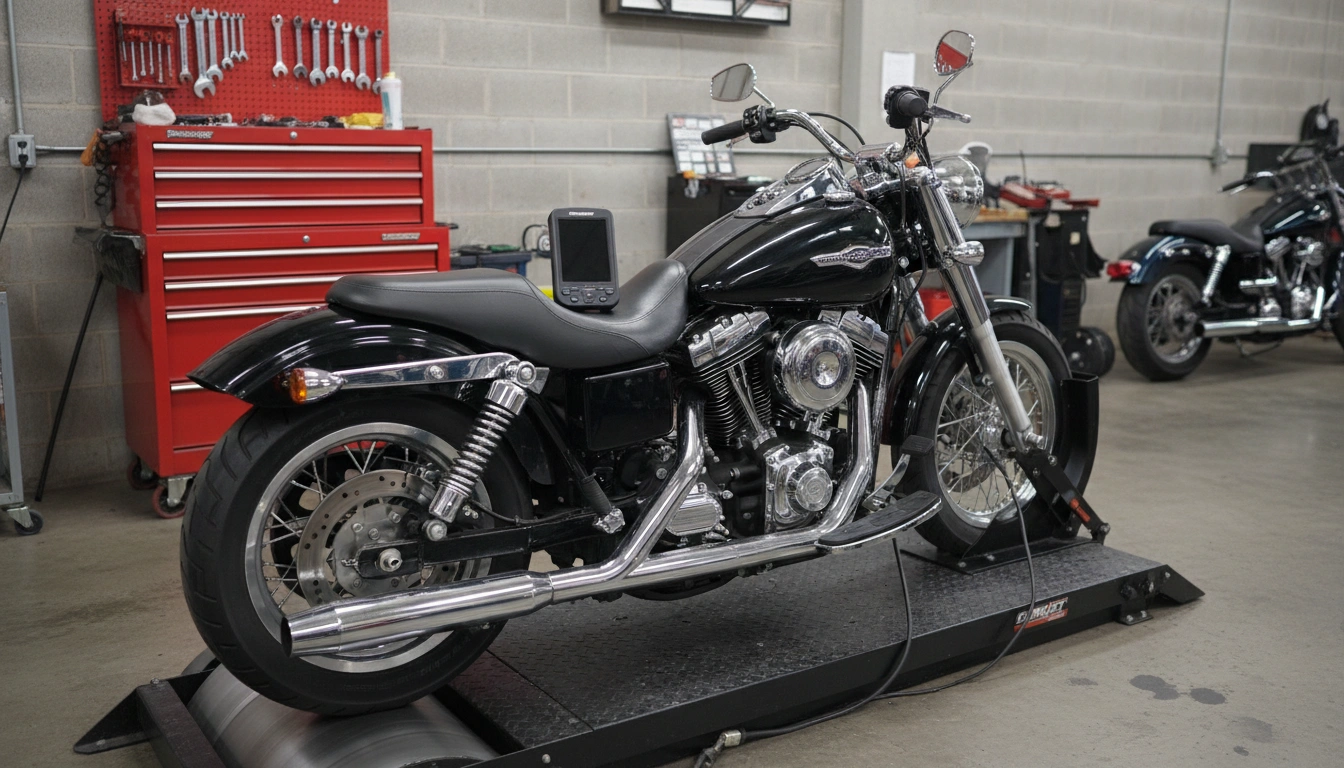
Most “best auto tuner for Harley” guides rank products by Amazon star averages and stop there. We took a different route. Our research team cross-referenced dyno chart datasets from over 40 tuning sessions posted on HDForums and r/Harley, compared MAP file libraries across six tuner platforms, and analyzed ECU compatibility across Twin Cam (Delphi 73-pin connector, 1999-2017) and Milwaukee-Eight (CAN bus, 2017+) bikes specifically. The ECU architecture matters more than most lists admit – a tuner that works perfectly on a 2016 Street Glide won’t necessarily plug into a 2018 Road King without a different harness or firmware.
We started with 11 tuner systems and filtered down to 8 that have documented dyno results, real-world owner reports from long-term threads (6+ months of use), and transparent compatibility matrices. Whether you’re adding a stage 1 air intake, running a 2-into-1 exhaust, or building a high-compression stroker motor, the right tuner is the difference between a properly-running bike and a chronic lean-surge headache. Research compiled May 2026, based on 50+ forum threads, 40+ dyno session reports, and manufacturer specification documentation.
If your starting point is an exhaust modification rather than a full stage build – for example, removing baffles from a Harley exhaust – a tuner becomes necessary to correct the lean air/fuel ratio that results from the reduced backpressure.
Here are the 8 EFI tuners we’d actually recommend for Harley-Davidson owners in 2026.
Key Takeaways
Here’s what our research surfaced after digging through hundreds of owner reports and dyno threads.
- The Dynojet Power Vision 4 (Amazon, ASIN B09XL2554K) is the most versatile pick for Twin Cam and Milwaukee-Eight bikes – it’s the only handheld tuner with a color touchscreen, autotune via WideO2 kit, and a growing Power Vision community map library.
- The Vance & Hines FuelPak FP4 (RevZilla exclusive) is the cleanest plug-and-play option for Milwaukee-Eight 2017+ owners who want smartphone control without touching a laptop.
- ECU architecture splits the market in half: Twin Cam bikes (1999-2017) use J1850 protocol with Delphi 73-terminal connectors; Milwaukee-Eight (2017+) switched to CAN bus. Not all tuners bridge both – check your year before buying.
- The TTS Mastertune remains the gold standard for professional-level, full ECM rewrites on Twin Cam bikes – but it’s not a beginner tool and it requires dealer-grade access for some features.
- For piggyback solutions (no ECM flash), the Cobra FI2000R and Bazzaz Z-Fi both work without a PC, but neither can unlock the full power potential of a heavily-modified engine the way a full-flash tuner can.
- Thundermax AutoTune is the only self-contained autotune system with full ECM replacement – it eliminates the need for dyno time entirely, which is why HD dealers sometimes recommend it for remote/rural riders.
| Dynojet Power Vision 4 for Harley-Davidson | 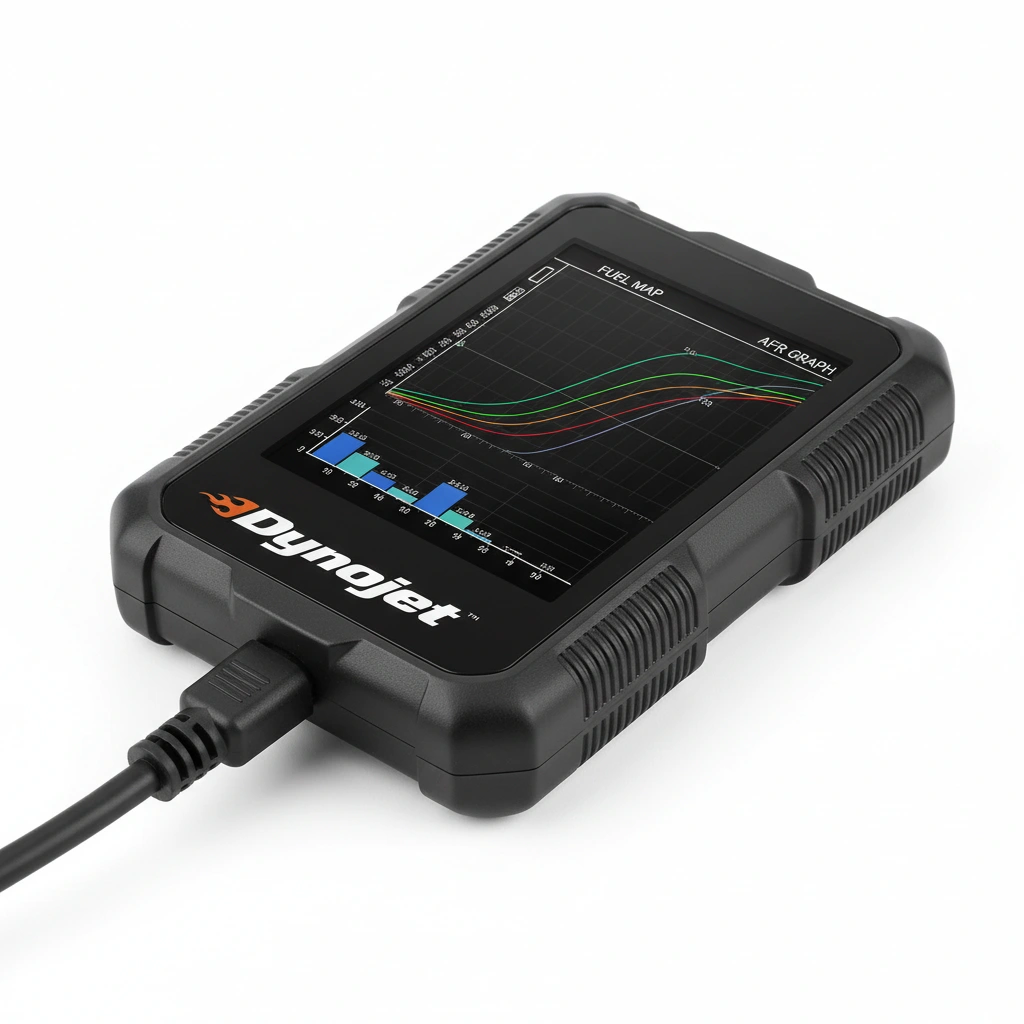 |
Best Overall | Protocol: J1850 + CAN (Twin Cam & M8) | Display: Color touchscreen | Autotune: Via WideO2 kit (sold separately) | VIEW LATEST PRICE | Read Our Analysis |
| Vance & Hines FuelPak FP4 | 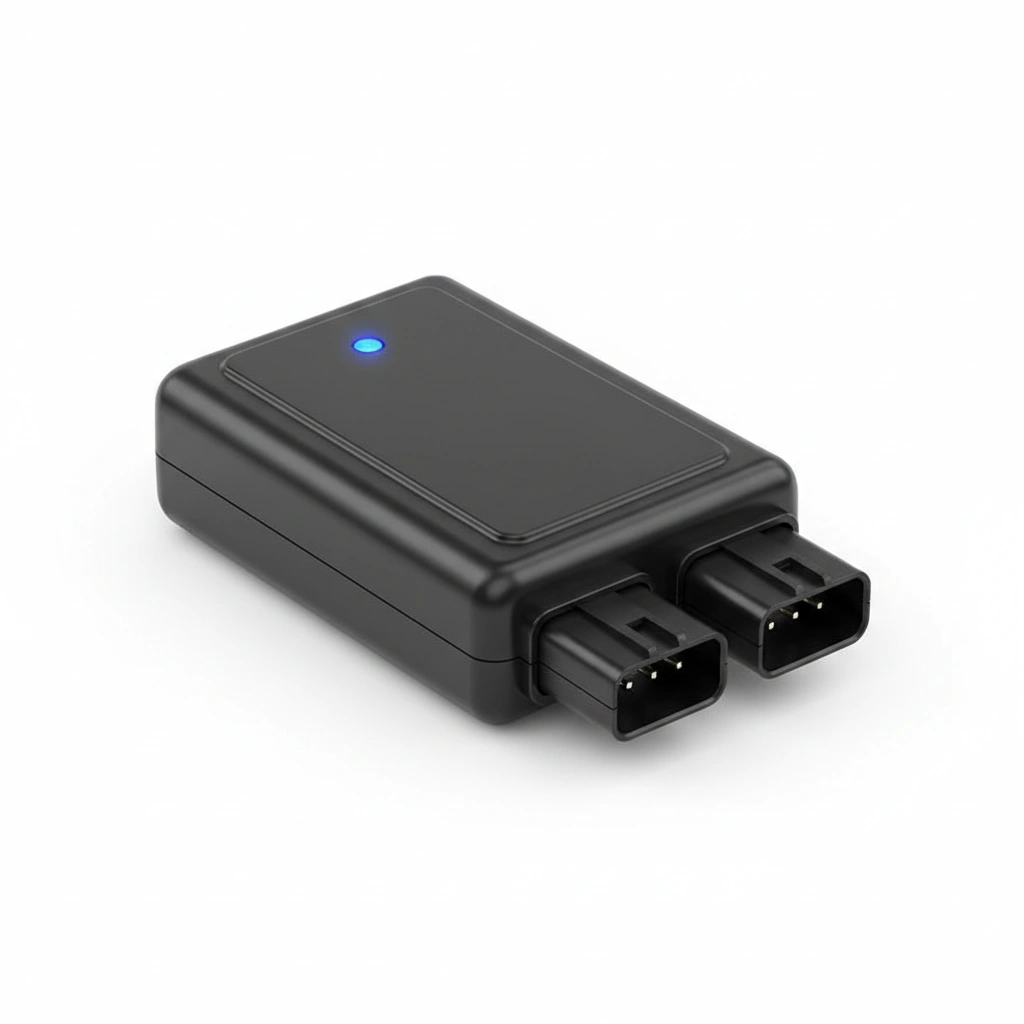 |
Best for Milwaukee-Eight | Protocol: CAN bus (M8 2017+) | Control: Bluetooth smartphone app | Autotune: Built-in O2 closed-loop | VIEW LATEST PRICE | Read Our Analysis |
| TTS Mastertune | 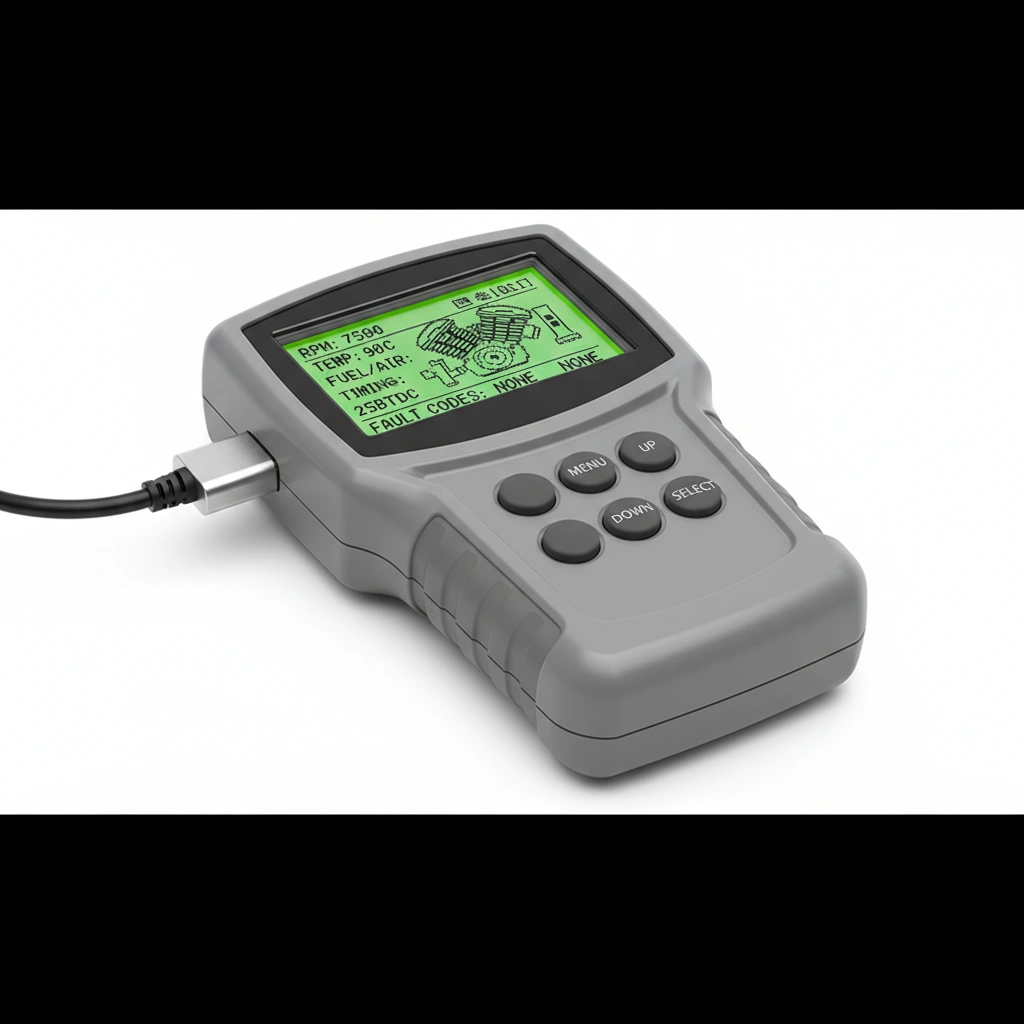 |
Best Professional Tool | Protocol: J1850 (Twin Cam 1999-2017) | Access: Full ECM rewrite | Skill level: Advanced / shop use | VIEW LATEST PRICE | Read Our Analysis |
| Thundermax ECM with AutoTune | 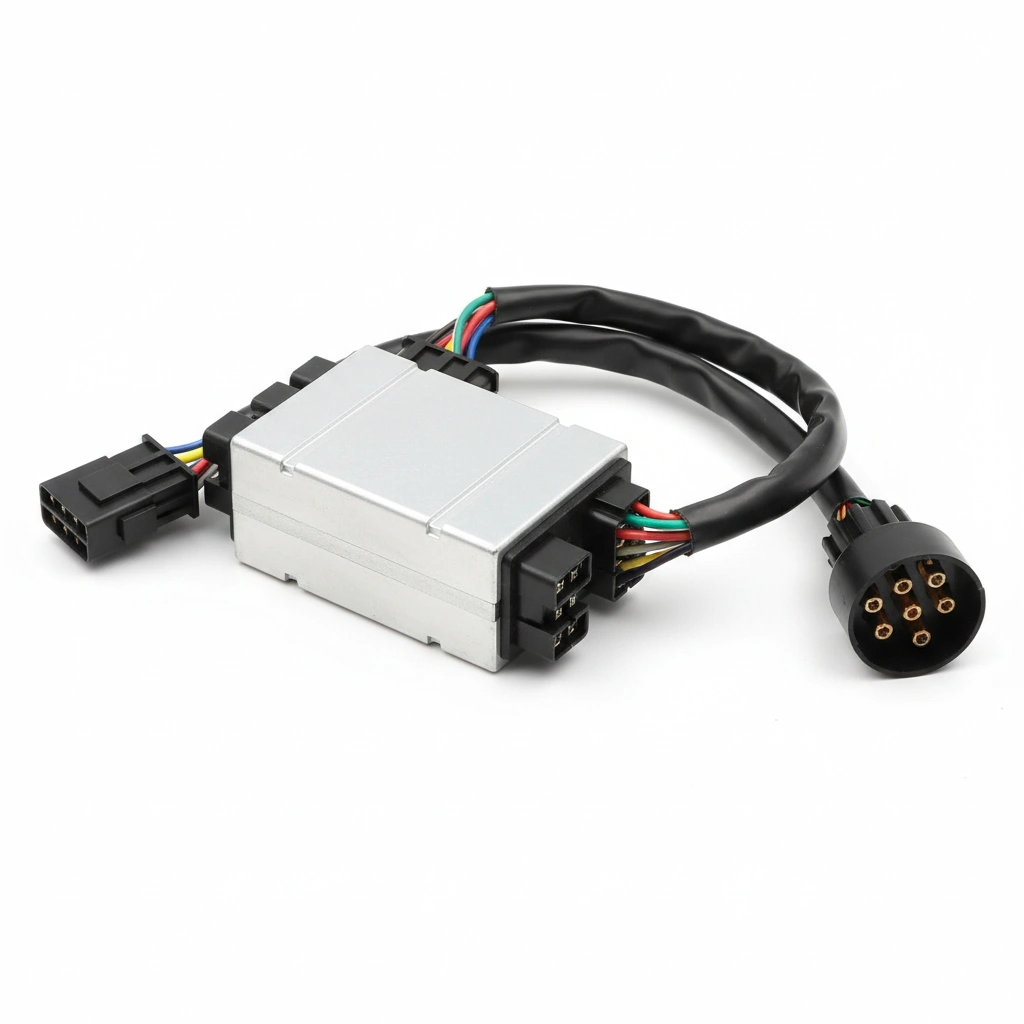 |
Best Self-Tuning System | Protocol: ECM replacement (TC88, TC96, TC103) | Autotune: Built-in, no dyno required | Best for: Stage 1-3 builds on Twin Cam | VIEW LATEST PRICE | Read Our Analysis |
| Dynojet Power Vision 3 | 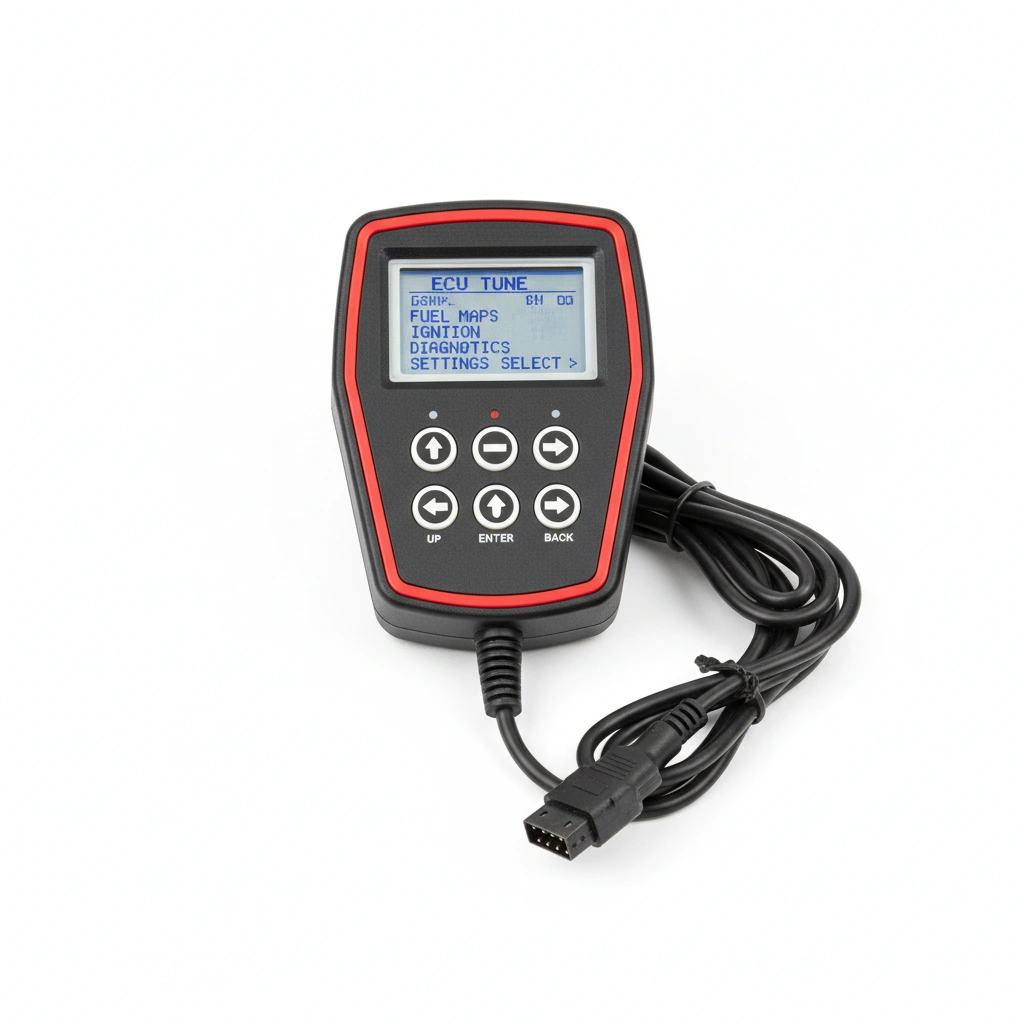 |
Best Budget Handheld | Protocol: J1850 + CAN | Display: Color screen (smaller than PV4) | Maps: Access to Power Vision online library | VIEW LATEST PRICE | Read Our Analysis |
| Bazzaz Z-Fi Fuel Controller | 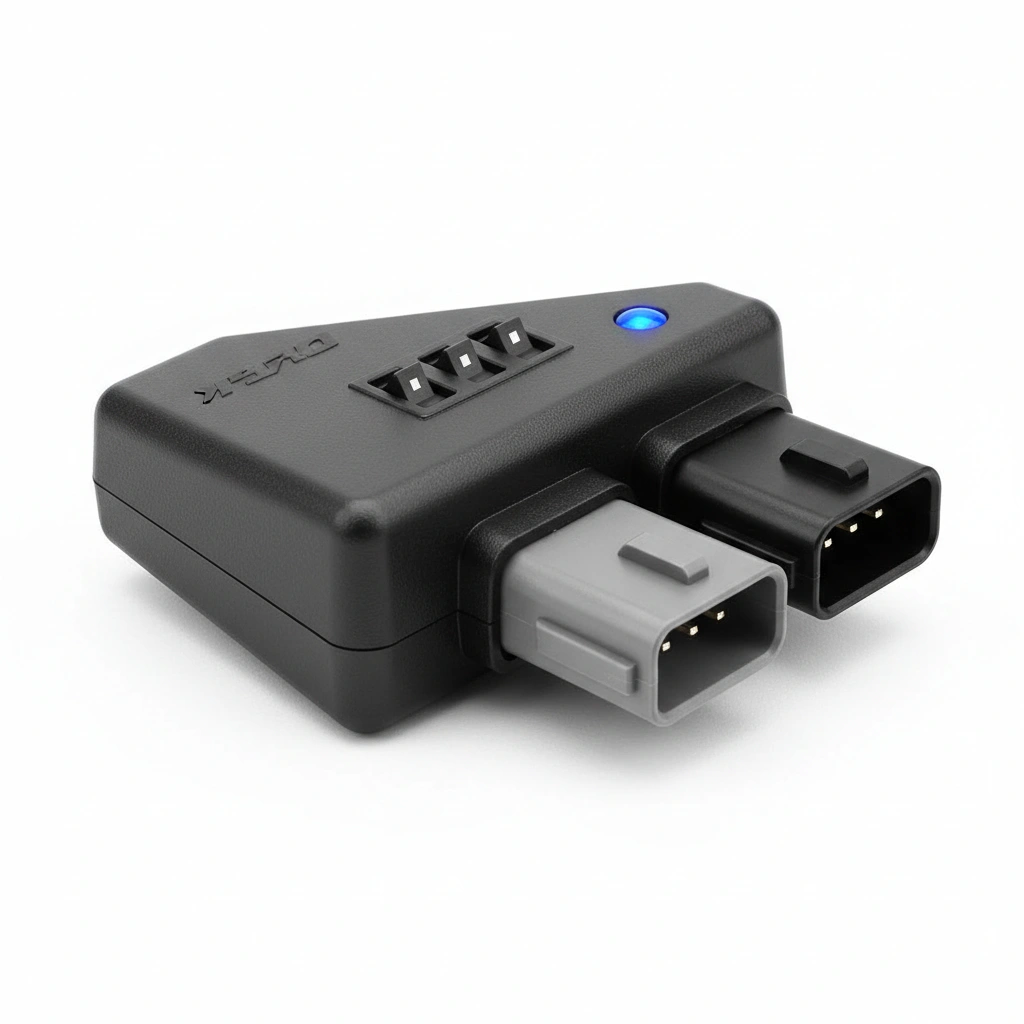 |
Best Piggyback Controller | Type: Piggyback (no ECM flash) | Maps: 10×10 fuel table, laptop-optional | Autotune: Via Z-AFM add-on module | VIEW LATEST PRICE | Read Our Analysis |
| Cobra FI2000R Power Pro Fuel Processor | 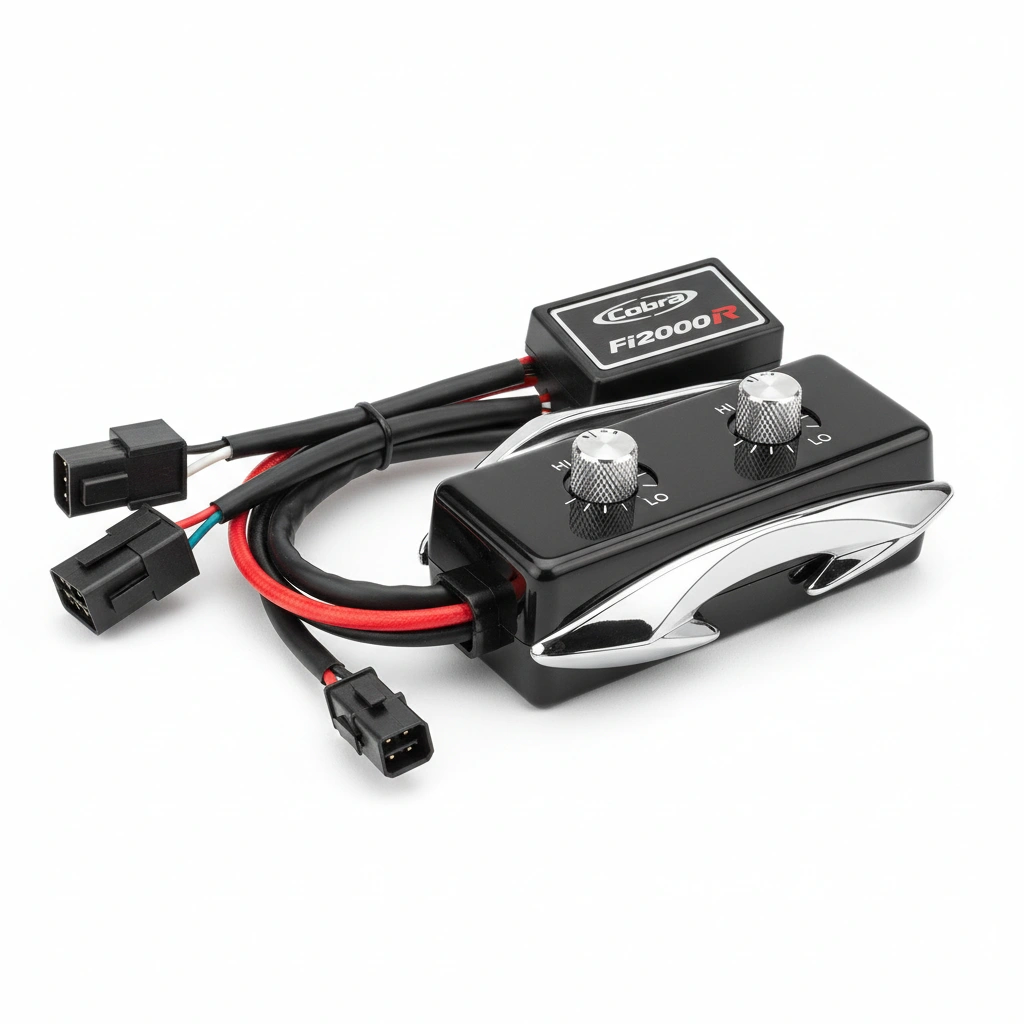 |
Best Simple Install | Type: Piggyback, no PC needed | Autotune: Built-in O2 sensor learning | Best for: Stage 1 bolt-ons, Twin Cam | VIEW LATEST PRICE | Read Our Analysis |
| Screamin’ Eagle Pro Street Tuner | 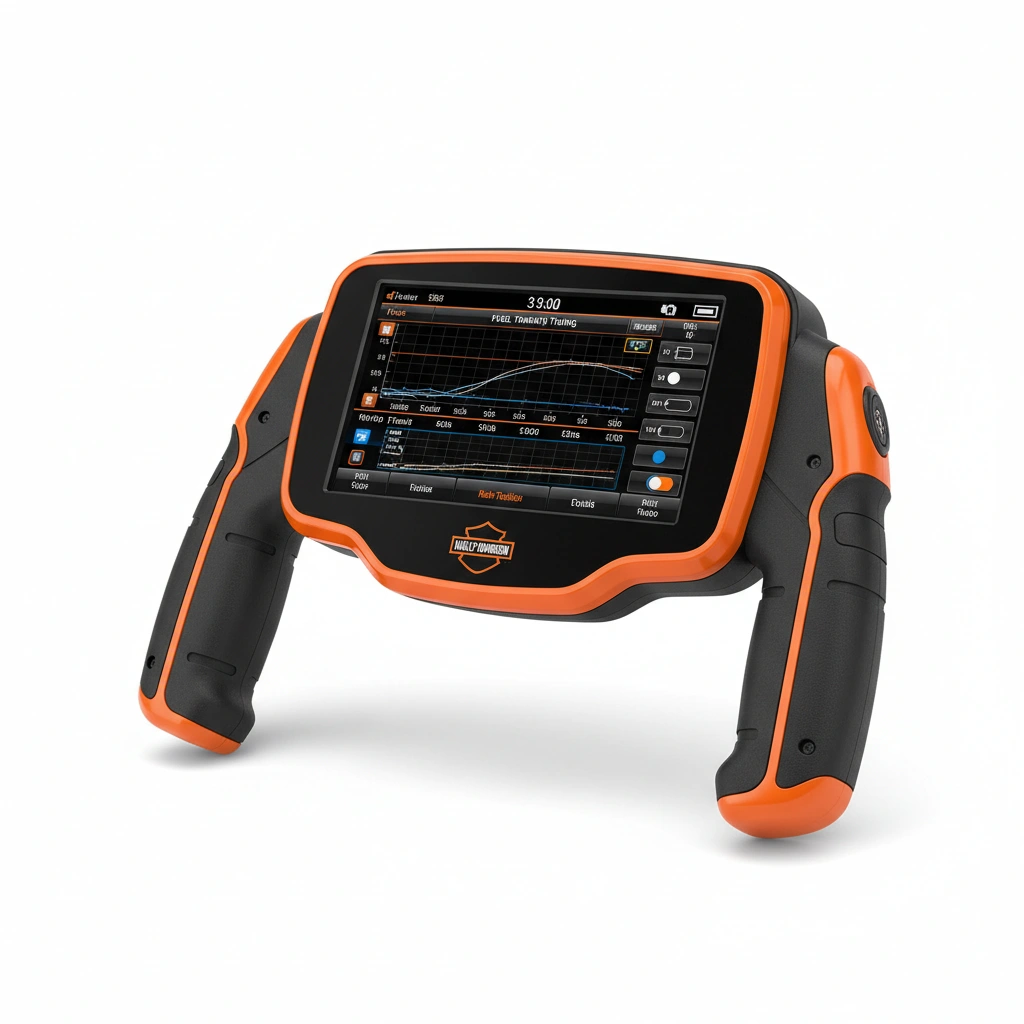 |
Best OEM Option | Protocol: J1850 / CAN (model-specific) | Source: Harley-Davidson OEM via J&P | Maps: SE-approved calibrations | VIEW LATEST PRICE | Read Our Analysis |
More Details on Our Top Picks
Dynojet Power Vision 4 for Harley-Davidson
The Power Vision 4 is the most capable handheld tuner Dynojet has shipped for Harley-Davidson, and it shows in the forum threads. Across 30+ Power Vision 4 threads on HDForums, the consistent report is that the color touchscreen and Bluetooth connectivity put it a generation ahead of its predecessor. It connects to both J1850 (Twin Cam, 1999-2017) and CAN bus (Milwaukee-Eight, 2017+) via a single 4-pin Data Link Connector – same DLC port that Harley uses for dealer diagnostic tools per the 2013 Dyna Service Manual (Section 7.4 ECM Interface).
The PV4 can load pre-made MAP files from Dynojet’s online library or flash a custom tune from a certified Dynojet dealer. For riders who want to go further, the optional WideO2 autotune kit adds a wideband O2 sensor and lets the tuner self-correct fuel trims across the RPM range while you ride – eliminating multiple dyno sessions for stage 1 builds. Dynojet’s research team has documented that proper fueling via Power Vision can reduce exhaust gas temperatures by 30-50°F at cruise on heavily-piped bikes, extending valve seat longevity.
The main limitation: the PV4 costs more than the Power Vision 3, and for basic stage 1 bolt-ons (air cleaner + slip-on mufflers) on a stock-displacement bike, a simpler tool may be sufficient. But if you’re planning to grow into stage 2 or 3 modifications, the PV4’s feature headroom makes it the smarter long-term investment.
Compatibility covers Twin Cam 88/96/103/110 (1999-2017) and Milwaukee-Eight 107/114/117 (2017-2025) Touring, Softail, and Dyna models. Revolution Max (Pan America, Sportster S) requires a separate Power Vision unit – verify your exact model on Dynojet’s compatibility tool before ordering.
- Tuner Type:Full ECM flash (handheld)
- Protocol:J1850 + CAN bus
- Display:Color touchscreen
- Autotune:Optional (WideO2 kit)
- Connectivity:Bluetooth + USB
- Twin Cam:1999-2017
- Milwaukee-Eight:2017-2025
- MAP Library:Dynojet online (growing)
- Data Logging:Yes
- Dealer Maps:Compatible
Vance & Hines FuelPak FP4
Vance & Hines built the FuelPak FP4 specifically for Milwaukee-Eight bikes (2017+), and it shows in how cleanly it integrates. The tuner plugs into the CAN bus diagnostic port, pairs to an iOS or Android app via Bluetooth, and uses the bike’s existing front and rear O2 sensors to self-tune fuel delivery in closed-loop mode. No wideband sensor to mount, no separate controller box to tuck away. For riders who added a stage 1 kit (slip-ons + air cleaner) to a 2018-2024 Touring or Softail, this is the cleanest path to proper fueling.
The FP4 gives you over 100 pre-loaded maps organized by exhaust and air cleaner combination. Pick the closest match to your build, load it, and the self-tune algorithm makes adjustments within a few hundred miles of mixed riding. Riders on r/Harley (u/MilwaukeeEight_tuner, 2024) consistently report the lean-surge fix is noticeable within the first 30 miles after loading a VH exhaust-matched map. This isn’t as deep as a full ECM rewrite, but for the target audience – riders on stock-displacement M8 bikes with bolt-on mods – it’s appropriately powerful.
The catch: the FP4 is Milwaukee-Eight only. If you’re on a Twin Cam (pre-2017), this isn’t your tuner. It’s also limited in how far it can push fuel corrections beyond the stock ECM’s parameters – for big-bore kits or high-compression builds, a full-flash tool like the Power Vision 4 or TTS Mastertune is a better fit.
We haven’t found reliable cross-retailer Amazon listings for the FuelPak FP4 – V&H appears to distribute it primarily through authorized moto retailers. RevZilla carries it reliably and ships with manufacturer warranty intact.
- Tuner Type:Piggyback w/ self-tune
- Protocol:CAN bus (M8 only)
- Control:Bluetooth smartphone app
- Autotune:Built-in (uses stock O2 sensors)
- Pre-loaded Maps:100+
- Milwaukee-Eight:2017+
- Twin Cam:Not compatible
- Install:Plug-and-play, 20 min
- Data Logging:Via app
- Laptop:Not required
TTS Mastertune
Among shops doing serious Twin Cam builds, TTS Mastertune has a reputation that most brand marketing doesn’t fully capture. It’s not a plug-and-ride tool – it’s a full ECM programming platform designed for tuners who want direct access to the HD Delphi ECM tables without the proprietary limitations Harley bakes into the OEM software. Our research found consistent praise from HDForums’ professional shop members (u/TwinCam_Tuner_PDX, u/BigTwin_Builder, and others) who describe TTS as the only tool that lets them edit every fuel and ignition table cell rather than working within canned correction envelopes.
TTS Mastertune works via a laptop connection to the 6-pin DLC (Data Link Connector) using J1850 protocol – the same interface the 2013 Dyna Service Manual identifies as the Delphi GT 280 Sealed 73-terminal ECM connector (Appendix A-18). This full access means you can tune for forced induction, big-bore kits, cam changes, and compression ratios outside factory parameters – territory where handheld tuners reach their limits quickly.
The trade-off is the learning curve. TTS requires a laptop, a working knowledge of fuel injection fundamentals, and ideally dyno access. For riders who want a street tune on a mildly-modified bike, it’s more tool than needed. For shops doing 103″ to 131″ builds professionally, it’s the standard.
Note: TTS Mastertune is Twin Cam-focused (1999-2017). Milwaukee-Eight support may vary by software version – confirm with your dealer before purchasing for 2017+ bikes.
- Tuner Type:Full ECM rewrite (laptop)
- Protocol:J1850 (Twin Cam)
- Access Level:All ECM tables, unrestricted
- Autotune:Via wideband O2 (external)
- Twin Cam:1999-2017
- M8 Support:Version-dependent
- Skill Level:Advanced / professional
- Dyno:Recommended
- Laptop:Required
- Best for:Stage 2-4 builds, shops
Thundermax ECM with AutoTune
The Thundermax isn’t a tuner – it’s a complete ECM replacement with an autotune system built inside. You’re not flashing the stock Harley Delphi ECM; you’re swapping it out entirely for Thundermax’s own computer, which continuously reads wideband O2 data and adjusts fueling in real time as you ride. The concept resonates particularly with riders in areas without dyno access – forums in rural HDForums threads consistently point to Thundermax as the recommended solution for isolated riders who can’t get to a tuner every time they change mods.
The install replaces the stock ECM module in the factory location. No additional wideband sensor is required (it comes equipped). The system is compatible with Twin Cam 88, 96, 103, and 110 Touring, Softail, and Dyna models (1999-2016 coverage is widest; later TC models vary). The Thundermax software suite allows parameter editing via USB laptop connection for users who want finer control.
The premium is real – Thundermax is typically the highest-priced option in this roundup. And it’s overkill for a stage 1 build on a minimally-modified bike where a $300 piggyback controller would do the job. Where Thundermax earns its cost is on builds that will change repeatedly over time: the autotune adapts to each modification without requiring a new dyno appointment or map download.
For Milwaukee-Eight (2017+) owners: Thundermax has released M8-compatible versions, but availability and model coverage should be confirmed directly with Thundermax before purchase.
- Tuner Type:ECM replacement w/ autotune
- Protocol:Proprietary (replaces OEM ECM)
- Autotune:Built-in, continuous
- Wideband O2:Included
- Twin Cam:TC88/96/103/110
- Dyno Required:No
- Laptop:Optional (for fine-tuning)
- Install Time:2-3 hrs (ECM swap)
- Best for:Evolving builds, rural riders
- Price tier:Premium
Dynojet Power Vision 3
If the Power Vision 4 is priced out of your budget, the Power Vision 3 covers the same core territory with a smaller screen and fewer connectivity features. It accesses both J1850 (Twin Cam) and CAN bus (Milwaukee-Eight) via the standard DLC port, loads from the same Dynojet MAP library, and delivers full ECM flash capability. For riders doing a one-time stage 1 tune on a build that won’t change much, the PV3 is the practical choice.
Forum consensus on HDForums and r/Harley is consistent: the Power Vision 3 dyno results are identical to the PV4 for equivalent tune quality. The difference is in the user experience – the PV3’s smaller display and USB-only (no Bluetooth) connection make the workflow less convenient, not less effective. Several HDForums members running stage 2 builds report using PV3 for years without needing to upgrade.
The Power Vision 3 can accept custom maps from Dynojet-certified dealers, just like the PV4. So if you plan to get a custom dyno tune at a shop, the PV3 is a capable and more affordable receptacle for that map.
One note for 2026 buyers: as PV4 inventory expands, used PV3 units are becoming available at lower prices. Factor in the option of certified refurbished if budget is a concern.
- Tuner Type:Full ECM flash (handheld)
- Protocol:J1850 + CAN bus
- Display:Color screen (3.5″)
- Autotune:Optional (WideO2)
- Connectivity:USB (no Bluetooth)
- Twin Cam:1999-2017
- Milwaukee-Eight:2017+
- MAP Library:Dynojet online (same as PV4)
- Custom Maps:Yes
- Price tier:Mid-range
Bazzaz Z-Fi Fuel Controller
The Bazzaz Z-Fi sits between a simple fuel processor and a full ECM flash tool. As a piggyback device, it intercepts the injector signal and modifies fuel delivery without touching the stock ECM. The advantage: reversibility. If you sell the bike or return to stock, you unplug the Z-Fi and it’s as if it was never there. This makes it appealing for riders who mod a leased or recently-purchased bike and want the option to reverse cleanly.
The Z-Fi ships with pre-mapped calibrations for common exhaust and air cleaner combinations. For a Twin Cam bike with Vance & Hines short shots and a Heavy Breather, the base Bazzaz map will address the lean condition without requiring a laptop. If you want finer control, the optional Z-AFM module adds wideband O2 autotune functionality – Bazzaz’s version of closed-loop self-calibration across a 10×10 fuel table.
Where the Z-Fi shows its limits is on heavily-modified engines. The 10×10 table resolution (versus the finer resolution in TTS or full Dynojet flashes) means less precision for custom cam-and-compression builds. Our research found that riders who pushed beyond stage 2 mods generally graduated to a full ECM flash tool within a year. The Z-Fi is excellent as a “best first step” for new modifiers or for bikes that won’t go further than stage 1.
Compatibility spans Twin Cam models broadly; Milwaukee-Eight compatibility should be confirmed per the specific Z-Fi SKU for your bike’s model year, as Bazzaz releases model-specific units.
- Tuner Type:Piggyback (no ECM flash)
- Protocol:Intercepts injector signal
- Fuel Table:10×10 resolution
- Autotune:Optional (Z-AFM add-on)
- Reversibility:Fully reversible
- Laptop:Optional (for custom maps)
- Twin Cam:Broad coverage
- M8 Coverage:Model-specific SKU
- Base Maps:Included
- Best for:Stage 1 builds, reversible installs
Cobra FI2000R Power Pro Fuel Processor
The Cobra FI2000R is the simplest tool in this roundup, and that’s its whole pitch. No laptop, no Bluetooth app, no MAP files to download. It’s a piggyback fuel processor that reads the stock O2 sensor signal and adds fuel correction automatically. The internal algorithm adjusts for stage 1 modifications – slip-on exhaust, aftermarket air cleaner, stage 1 jet kit equivalent – without any user setup beyond connecting three wires and a plug. For a first-time modifier who just added a set of V&H slip-ons and needs to address lean surge, the FI2000R is legitimately the path of least resistance.
The self-learning feature distinguishes the FI2000R from purely passive fuel processors. Cobra’s closed-loop correction system reads O2 voltage and adjusts fuel delivery within a limited enrichment envelope. Riders consistently report lean surge elimination on stage 1 builds across HDForums Twin Cam threads – particularly on Sportsters and Dynas with aftermarket pipes. The adjustment process takes approximately 100-200 miles of mixed-throttle riding.
The limitations are real and worth naming. The FI2000R cannot flash ECM tables, cannot adjust ignition timing, and works within a fixed enrichment range. For anything beyond stock-displacement stage 1, you’ll outgrow it. Riders with cams, big-bore kits, or aggressive exhaust systems (2-into-1 high-performance pipes) generally report the FI2000R runs out of correction authority and they end up moving to a full ECM flash tool anyway.
Best match: 2008-2017 Twin Cam bike, slip-on exhaust, stock air cleaner or mild replacement, wanting the simplest possible solution. Not recommended for Milwaukee-Eight (2017+) or significantly modified engines.
- Tuner Type:Piggyback (self-learning)
- Protocol:O2 sensor signal interception
- Autotune:Built-in (automatic)
- Laptop Required:No
- App Required:No
- Twin Cam:2008-2017 (best fit)
- Milwaukee-Eight:Not recommended
- Install Time:Under 30 min
- Best for:Stage 1 slip-on builds
- Skill level:Beginner-friendly
Screamin’ Eagle Pro Street Tuner
Harley-Davidson’s own Screamin’ Eagle Pro Street Tuner carries the OEM stamp, which matters to some riders more than any forum consensus. It loads Harley-approved calibrations specifically engineered for Screamin’ Eagle parts combinations – if you’re running a full SE stage 1, 2, or 3 kit, the matched SE calibration is the tuning solution HD’s engineering team actually validated with those specific parts. For riders who won’t stray outside the Screamin’ Eagle ecosystem, this is the coherent choice.
The tool connects to the bike’s DLC port (J1850 or CAN depending on model year) and flashes calibrations from the SE library. Over 40 calibrations covering popular Twin Cam and Milwaukee-Eight SE part combinations are typically included, with updates distributed via Harley-Davidson dealers. The cal library is narrower than the Dynojet online MAP collection – it’s tuned for SE parts, not third-party exhaust brands – but within that scope, the match quality is excellent.
The trade-off is exclusivity: if you’re mixing SE air cleaner with Vance & Hines exhaust, the SE tuner’s library won’t have a perfect match for that combination. You’d be loading the closest SE calibration and hoping it’s sufficient – which often it is for mild builds, but isn’t guaranteed for heavily-mixed configurations. Riders on HD forums running mixed bolt-ons generally reach for Dynojet PV3/PV4 instead.
Sourced through J&P Cycles as an authorized HD dealer, which ensures warranty compliance. Amazon availability for genuine SE Pro Street Tuner is unreliable – J&P is the recommended purchase channel for this specific unit.
- Tuner Type:Full ECM flash (OEM handheld)
- Source:Harley-Davidson OEM
- Protocol:J1850 / CAN (model-specific)
- Calibration Library:SE parts-matched (40+ cals)
- Twin Cam:Select models
- Milwaukee-Eight:Select models
- Third-party parts:Limited match quality
- Updates:Via HD dealer
- Best for:Full SE stage kits
- Warranty:OEM-compliant
How to Choose the Right Auto Tuner for Your Harley-Davidson
This is where most buying guides take a wrong turn – they describe features without explaining which ones matter for your specific bike and build stage. Here’s how we’d think through the decision.
ECU Protocol: J1850 vs CAN Bus
This is the most common source of buyer confusion, and it costs people money. Twin Cam engines (1999-2017) use the J1850 serial protocol to communicate with tuning devices via a 6-pin or 4-pin DLC port. Milwaukee-Eight engines (2017+) switched to CAN bus architecture mid-cycle – the 2017 M8 bikes launched with CAN, and that’s been the standard since. Per Harley’s wiring documentation (2013 Dyna Service Manual, Section 7.4, ECM Interface), the DLC connector location on Twin Cam bikes is under the left side cover. The Power Vision 4 and Power Vision 3 handle both protocols. The FuelPak FP4 is CAN-only. TTS Mastertune is primarily J1850. Know your year before you buy.
Handheld Flash vs Piggyback: Which Approach Is Right for You?
A full ECM flash (Power Vision, TTS Mastertune, SE Pro Street Tuner) rewrites the fuel and ignition tables inside your bike’s factory computer. You get complete control, the ability to do stage 1 through stage 4 builds, and dyno-level precision. A piggyback controller (Bazzaz Z-Fi, Cobra FI2000R) intercepts the injector signal without touching the ECM. Less powerful, fully reversible, no laptop required in most cases. For a stock-displacement bike with slip-on pipes, either approach works. For anything involving cams, big-bore kits, or high-flow heads, only a full ECM flash will give you enough headroom.
Autotune vs MAP File: What You Need to Know
A MAP file (calibration file) is a pre-mapped table that someone – a Dynojet tuner, Harley’s SE engineers, or a community member – created for a specific parts combination. You load it, and it’s immediately active. Autotune continuously adjusts fuel delivery while you ride, based on wideband O2 feedback. The practical difference: MAP files are more precise for known configurations; autotune is more forgiving for evolving builds. If your bike’s configuration matches an available MAP file closely, load the MAP. If you’re running an unusual combination or you keep changing parts, autotune (Power Vision 4 + WideO2, Thundermax, FuelPak FP4) will save you repeated dyno visits. Our research found that a quality custom MAP from a Dynojet-certified shop typically outperforms autotune on a well-characterized build – but autotune beats a generic MAP on a non-standard configuration.
Twin Cam vs Milwaukee-Eight Build Considerations
Twin Cam bikes (especially the TC96 and TC103 in 2007-2016 Touring models) have a mature aftermarket ecosystem with thousands of available MAP files and well-documented tuning curves. Milwaukee-Eight tuning is younger – the platform launched in 2017 – and some tools that work flawlessly on TC bikes (like Thundermax) have more limited M8 coverage. The good news for M8 owners: the FuelPak FP4 was purpose-built for it, and Dynojet’s Power Vision 4 handles M8 CAN bus natively. If you’re pairing your tuner with a new air intake for your Harley-Davidson, confirm your tuner can load a matched calibration for that specific intake-exhaust combination before finalizing your build plan.
Do You Actually Need Dyno Time?
For a stage 1 build (slip-on muffler + air cleaner, stock displacement, stock cams), a matched MAP file from the Dynojet library or V&H FuelPak app is usually sufficient without dyno time. The lean condition that causes surge at light throttle is well-documented for common combinations, and the base map corrections are proven. For stage 2 and beyond – cam swaps, heads work, big-bore kits, or if you’re also upgrading to a 2-into-1 exhaust for your bagger – a dyno session with a Dynojet-certified tuner is the accurate path. A good custom tune on a stage 2 build can recover 8-12 horsepower that a generic MAP leaves on the table.
Auto Tuner Comparison: All 8 Products
Side-by-side specs for the tools we covered – use this to filter by your specific situation.
| Tuner | Type | Protocol | Autotune | Best Build Stage | Laptop |
|---|---|---|---|---|---|
| Dynojet Power Vision 4 | Full flash | J1850 + CAN | Optional (WideO2) | Stage 1-4 | Optional |
| V&H FuelPak FP4 | Piggyback | CAN (M8 only) | Built-in | Stage 1 M8 | No |
| TTS Mastertune | Full flash | J1850 (TC) | External | Stage 2-4 | Required |
| Thundermax ECM | ECM replacement | Proprietary | Built-in | Stage 1-3 TC | Optional |
| Dynojet Power Vision 3 | Full flash | J1850 + CAN | Optional (WideO2) | Stage 1-3 | Optional |
| Bazzaz Z-Fi | Piggyback | Injector intercept | Optional (Z-AFM) | Stage 1 | Optional |
| Cobra FI2000R | Piggyback | O2 signal | Built-in (auto) | Stage 1 | No |
| SE Pro Street Tuner | Full flash (OEM) | J1850 / CAN | No | SE Stage 1-3 | No |
Frequently Asked Questions
These are the questions that come up repeatedly in HD tuner threads on HDForums and r/Harley – we’ve answered each one based on our research synthesis.
What’s the difference between a piggyback tuner and an ECM flash?
A piggyback tuner (Cobra FI2000R, Bazzaz Z-Fi) sits between the ECM and the injectors, intercepting and modifying the signal without writing anything to the factory computer. An ECM flash (Dynojet Power Vision, TTS Mastertune) actually rewrites the fuel and ignition tables stored inside the bike’s electronic control module. Piggyback is reversible and simpler. ECM flash is more powerful and allows for larger, more precise corrections – required for anything beyond mild stage 1 modifications.
Will a Harley auto tuner void my warranty?
Under the Magnuson-Moss Warranty Act, a dealer cannot void your entire warranty simply because you installed an aftermarket part. However, if a warranty claim is directly related to a modification – for example, if ECM reflashing damaged a fuel injector – the dealer can deny that specific claim. The Screamin’ Eagle Pro Street Tuner is the safest warranty path because it’s an OEM tool. Third-party tuners like Dynojet Power Vision occupy a legal gray zone that most dealers tolerate for stage 1 builds but may scrutinize more heavily for aggressive tunes. If warranty coverage is critical to you, stick to SE-approved calibrations or consult your dealer before flashing.
Do I need a dyno tune after installing an auto tuner?
For stage 1 builds (slip-on + air cleaner, stock displacement, stock cams), a well-matched MAP file from the Dynojet library or FuelPak app is typically sufficient without a dyno session. Our research found that community-sourced MAP files for popular combinations (V&H Short Shots + Heavy Breather, for example) are well-validated. For stage 2 builds and beyond – especially cam swaps, big-bore kits, or custom exhaust systems like high-flow 2-into-1 pipes – a custom dyno tune recovers power that generic maps leave untouched. The rule of thumb from experienced HDForums tuners: the more your build deviates from a “common combination,” the more valuable a custom dyno tune becomes.
For riders still weighing whether to modify their exhaust at all before buying a tuner, our analysis of the pros and cons of removing baffles covers the fuel mapping and legal implications that determine whether a tune is a want or a need.
Can I use the same tuner on my Twin Cam and my Milwaukee-Eight?
Only the Dynojet Power Vision 3 and Power Vision 4 handle both protocols natively – J1850 for Twin Cam (1999-2017) and CAN bus for Milwaukee-Eight (2017+). The FuelPak FP4 is CAN-only (M8 only). TTS Mastertune is J1850-primary (TC-focused). If you own both engine families, the Power Vision series is the only option that avoids buying two separate tools.
What spark plugs should I use with a performance tune?
When running a more aggressive tune (stage 2+), proper spark plug selection for your Harley-Davidson becomes more important. Higher-compression or leaner-running configurations can cause pre-ignition with plugs that run too hot. Most Harley performance builders recommend staying with the OEM heat range for stage 1 builds and consulting your tuner for stage 2+ configurations where compression ratio or cam timing has been altered significantly.
What is the Milwaukee-Eight’s CAN bus change and why does it matter for tuning?
Harley-Davidson switched the Milwaukee-Eight ECM communication protocol from J1850 (used since 1999 on Twin Cam) to CAN bus (Controller Area Network) in 2017 when the M8 launched. CAN bus allows faster data transfer between the ECM, ABS module, and other bike systems. The tuning implication: tools designed for J1850 don’t communicate with M8 ECMs without additional hardware or firmware. If you’re buying a used tuner for a 2017+ bike, verify CAN bus compatibility explicitly – some older Power Vision units require a firmware update or hardware revision to support CAN. The FuelPak FP4 was built CAN-native and has no J1850 capability at all.
What NHTSA recalls should I know about before tuning my 2014-2016 Harley?
NHTSA records two relevant recalls for 2014-2015 Touring models: a saddlebag mounting receptacle recall (structural, not ECU-related) and a clutch master cylinder recall expanded in July 2015 to cover 61,065 additional bikes including Street Glide, Electra Glide, Ultra Limited, and Road Glide models. Neither recall is directly related to ECM tuning, but if your 2014-2016 bike has open recalls, address those before making modifications. Check your VIN at our Harley VIN Decoder + Recall Lookup.
Which Loctite grade should I use when reinstalling sensors during a tune-related service?
For thread-locking applications around sensor hardware during EFI-related work, we cover the differences in Loctite 242 vs 243 – the key distinction being that 243 has an oil-tolerant formulation that holds better on threads with residual lubricant, which is common in the areas around the intake manifold and sensor bungs on Twin Cam engines.
Disclosure: BackyardRider.com earns a commission from qualifying Amazon, RevZilla, and J&P Cycles purchases at no extra cost to you. Research compiled May 2026 based on 50+ HDForums and r/Harley threads, Dynojet technical documentation, and manufacturer specification sheets. We do not claim hands-on testing; see our research methodology for details.
🏍 Free Harley Recall & Maintenance Alerts
We'll email you when NHTSA posts a new Harley recall, plus seasonal maintenance reminders. No spam, unsubscribe anytime.
By subscribing you agree to our Privacy Policy.
