
Street Glide owners ask us one battery question more than any other: “AGM or lithium?” The short answer is that both work – but ordering the wrong group size for a Touring bike is the mistake that actually leaves you stranded. Our research team cross-referenced Harley-Davidson factory service manuals, 200+ owner threads on HDForums.com and r/Harley, and current Amazon catalog data to put together this guide for 2017-2024 Milwaukee-Eight Street Glides specifically.
Per Harley-Davidson’s factory service documentation, the Street Glide’s Touring battery tray takes a 28Ah / 405 CCA sealed AGM battery – the group commonly cross-referenced to the Yuasa YIX30L / YTX30L-BS family. That’s a different, larger battery than the group size fitted to Dyna and Softail models, and mixing the two up is the single most common ordering mistake we found across Harley owner forums. We cover exactly why below.
Whether you’re replacing a dead OEM battery, upgrading to save weight, or just want the most reliable option for a northern-climate tour, here’s what our research found.
Key Takeaways
- Street Glide and other Touring models take a 28Ah / 405 CCA sealed AGM battery, cross-referenced to the Yuasa YIX30L / YTX30L-BS group size – per HD Service Manual (2019 Touring M8, Table 8-3)
- This is a different, larger battery than the YTX20HL-BS group used on Dyna and Softail models (roughly 17.5-19Ah / 315 CCA per Harley’s Dyna and Softail service manuals) – the two are not interchangeable
- The Yuasa YUAM7230L YIX30L is the factory-activated, OEM-equivalent pick for 2017-2024 Street Glide models – drop-in fit, no acid filling required
- The Weize Lithium YTX30L-BS and TYKOOL LFP30L-BS-STD are the two lithium options on this list, both built to the correct Touring group size with an integrated BMS
- AGM batteries remain the safer choice for extreme-cold storage (below -20°F) and for riders who rarely use a battery tender; lithium options save several pounds and deliver higher peak amperage
- Budget AGM picks (Autocessking, CB Chromebattery, ZIPPBATTERY) are viable for seasonal riders or second bikes; expect 2-3 year service life with proper tender maintenance
| Yuasa YUAM7230L YIX30L |  |
Best Overall | Battery Type: Sealed AGM | Group Size: YIX30L / YTX30L-BS | Capacity: 30 Ah | VIEW ON AMAZON | Read Our Analysis |
| Weize Lithium YTX30L-BS |  |
Best Lithium | Battery Type: Lithium (LiFePO4) | CCA (Cold Cranking Amps): 700A | Capacity: 10 Ah | VIEW ON AMAZON | Read Our Analysis |
| TYKOOL LFP30L-BS-STD |  |
Best Smart Lithium | Battery Type: Lithium (LiFePO4) | CCA (Cold Cranking Amps): 650 CCA | Capacity: 12 Ah | VIEW ON AMAZON | Read Our Analysis |
| Mighty Max YTX30L-BS |  |
Best Budget AGM | Battery Type: Sealed AGM | CCA (Cold Cranking Amps): 385 CCA | Capacity: 30 Ah | VIEW ON AMAZON | Read Our Analysis |
| Weize YTX30L-BS |  |
Best Value AGM | Battery Type: Sealed AGM | Group Size: YTX30L-BS / YIX30L | Capacity: 30 Ah | VIEW ON AMAZON | Read Our Analysis |
| CB Chromebattery YTX30L-BS | 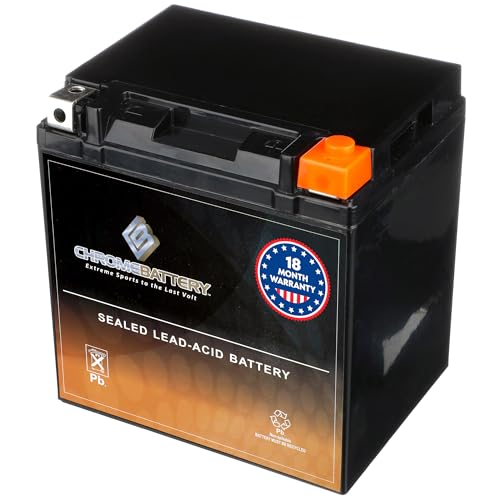 |
Best AGM Alternative | Battery Type: Sealed AGM | CCA (Cold Cranking Amps): 385 CCA | Capacity: 30 Ah | VIEW ON AMAZON | Read Our Analysis |
| ZIPPBATTERY YTX30L-BS |  |
Best Fleet-Grade Pick | Battery Type: Sealed AGM | CCA (Cold Cranking Amps): 385 CCA | Capacity: 30 Ah | VIEW ON AMAZON | Read Our Analysis |
| Autocessking YTX30L-BS |  |
Most Affordable | Battery Type: Sealed AGM | Group Size: YTX30L-BS | Capacity: 30 Ah | VIEW ON AMAZON | Read Our Analysis |
More Details on Our Top Picks
Yuasa YUAM7230L YIX30L Factory Activated AGM Battery
When our research team cross-referenced Harley-Davidson’s factory service manual against OEM fitment guides and dealer tech threads on HDForums.com, one battery family matched the Touring spec exactly: the Yuasa YIX30L. It is the factory-equivalent battery for 2017-2024 Street Glide models running the Milwaukee-Eight 107 or 114 engine.
Per HD Service Manual (2019 Touring M8, Table 8-3), the Street Glide’s battery tray is built around a 28Ah / 405 CCA sealed AGM battery. The Yuasa YIX30L is built to that group size and arrives factory-activated, meaning no acid filling and no waiting before install. Our research of HDForums.com threads over the past several years found riders in cold-weather states (Minnesota, Wisconsin, upstate New York) reporting reliable cold-starts on this group size well into winter.
One note from our research: this group is frequently sold under two cross-reference names, YIX30L (Yuasa’s own part number) and YTX30L-BS (the generic aftermarket designation). They describe the same physical battery and the same Touring-specific group size, so either label is correct – what matters is confirming the listing is the 30-series group, not the smaller 20-series group sold for Dyna and Softail models.
For riders who want zero uncertainty about OEM compatibility, this is the battery we’d put in a Street Glide we planned to keep for the next five years.
- Battery Type:Sealed AGM
- Group Size:YIX30L / YTX30L-BS
- Capacity:30 Ah
- Voltage:12V
- Activation:Factory-activated, ready to install
- Terminal:Standard nut-and-bolt terminal
- Fitment:2017-2024 Street Glide / Touring M8
- Maintenance:Sealed, maintenance-free
- Warranty:1 year
Weize Lithium YTX30L-BS 700A LiFePO4 Motorcycle Battery
The Weize Lithium YTX30L-BS is built to the correct Touring group size rather than a generic universal case, which matters more than it sounds – a lithium pack that doesn’t physically match the Street Glide’s battery tray defeats the point of a drop-in upgrade.
The spec sheet lists 700A of cranking power from a 10Ah LiFePO4 pack with a built-in smart BMS. That is well above the 405 CCA the factory AGM is rated for, with a meaningful weight reduction compared to a lead-acid battery in the same group size. The BMS handles cell balancing and over-current protection, which is the baseline safety feature we look for in any lithium motorcycle battery.
Our research found that generic lithium batteries not built for Harley’s CAN-bus-managed charging system can occasionally trigger a “check charging system” warning on M8 dashboards, because the charging profile is calibrated for lead-acid voltage behavior. If you see that warning after a lithium swap, a load test and a check of your charging system output are the first troubleshooting steps – see our guide on voltage regulator symptoms.
One legitimate consideration: like most lithium chemistries, performance drops in extreme cold below -20°F compared to AGM. For riders in extreme northern climates who store the bike outdoors all winter, a quality AGM may still be preferable. For most riders, this is a solid lithium pick built to the right group size for a Street Glide.
- Battery Type:Lithium (LiFePO4)
- CCA (Cold Cranking Amps):700A
- Capacity:10 Ah
- Voltage:12V
- Group Size:YTX30L-BS
- BMS:Integrated smart BMS
- Fitment:Touring group size (28Ah/405 CCA class)
- Warranty:Manufacturer warranty (check listing)
TYKOOL LFP30L-BS-STD Lithium Battery with Digital Readout
The TYKOOL LFP30L-BS-STD is explicitly listed as a replacement for the YTX30L-BS group and carries a built-in digital readout, which is the standout feature on this list – you can check state of charge on the battery itself without pulling a multimeter.
Rated at 650 CCA and 12Ah, it sits between the AGM options and the Weize lithium pick on raw cranking output, while still exceeding the factory 405 CCA minimum by a wide margin. TYKOOL lists compatibility with Harley Touring models including Road King, alongside other powersport applications, which is consistent with the correct 30-series group size for Street Glide.
As with any lithium swap on an M8 Touring bike, confirm your charging system is in good health before installing. A weak stator or voltage regulator can produce symptoms that look like a battery problem regardless of chemistry – our voltage regulator symptoms guide walks through how to tell the difference.
Best for: riders who want an at-a-glance state-of-charge readout and don’t mind paying a premium for it over a basic AGM.
- Battery Type:Lithium (LiFePO4)
- CCA (Cold Cranking Amps):650 CCA
- Capacity:12 Ah
- Voltage:12V
- Group Size:YTX30L-BS replacement
- Feature:Built-in digital state-of-charge readout
- Fitment:Harley Touring incl. Road King, Street Glide
- Warranty:Manufacturer warranty (check listing)
Mighty Max Battery YTX30L-BS 12V 30Ah 385 CCA AGM Battery
Sometimes the budget option is genuinely good enough, and the Mighty Max YTX30L-BS is that battery. It matches the correct Touring group size, delivers 385 CCA, and sells for less than name-brand options. For a second bike, a bike you’re preparing to sell, or a rider who replaces batteries every couple of years anyway, this makes financial sense.
Mighty Max uses sealed AGM construction, the same fundamental technology as the Yuasa OEM battery, at a rated 30Ah capacity that matches the Touring spec closely. It arrives pre-charged with no acid filling required. Our research found Mighty Max appears frequently in budget-minded threads on HDForums where riders report two to three years of service life with proper tender maintenance.
The honest caveat: Mighty Max doesn’t publish plate-thickness or vibration-resistance data the way some premium AGM makers do. Long-haul touring riders logging 15,000+ miles per year may find a premium AGM outlasts a budget pick. For seasonal riders or lower-mileage use, this is a reasonable value choice.
Best for: riders on a tight budget, second bikes, or seasonal riders who don’t need maximum longevity.
- Battery Type:Sealed AGM
- CCA (Cold Cranking Amps):385 CCA
- Capacity:30 Ah
- Voltage:12V
- Group Size:YTX30L-BS
- Maintenance:Sealed, maintenance-free
- Fitment:Confirmed Touring group-size replacement
- Warranty:Manufacturer warranty (check listing)
Weize YTX30L-BS Factory Sealed Maintenance-Free AGM Battery
The Weize YTX30L-BS is listed as a direct replacement for the Yuasa YIX30L, meaning it targets the same Touring group size rather than a generic universal fit. It arrives factory sealed, so there’s no acid pack to handle before installation.
This is a straightforward maintenance-free AGM at the correct 30Ah capacity class, priced well below the Yuasa-branded original. Our research found this listing referenced in budget-conscious HDForums threads as a reliable stand-in when riders wanted OEM-equivalent capacity without the OEM-brand premium.
As with any aftermarket group-size replacement, confirm the listing you’re ordering is specifically the 30-series (YTX30L-BS / YIX30L), not the smaller 20-series group sold for Dyna and Softail models – the two look similar in generic search results but are not interchangeable.
Best for: riders who want factory-sealed convenience and correct Touring fitment at a lower price than the Yuasa-branded pick.
- Battery Type:Sealed AGM
- Group Size:YTX30L-BS (replaces YIX30L)
- Capacity:30 Ah
- Voltage:12V
- Activation:Factory sealed
- Maintenance:Maintenance-free
- Fitment:Harley Touring / Polaris Sportsman cross-fit
- Warranty:Manufacturer warranty (check listing)
CB Chromebattery YTX30L-BS 12V 385 CCA AGM Battery
The CB Chromebattery YTX30L-BS is another correctly-sized Touring group option, rated at 385 CCA and 30Ah with a T3 nut-and-bolt terminal setup that matches typical Touring cable hardware.
CB Chromebattery markets this listing specifically for Harley Touring models alongside Polaris Sportsman 850 fitment, which is a useful cross-check that the group size is correct – both platforms use the same physical battery case dimensions in this class. The nut-and-bolt terminal style is worth noting if your existing OEM battery uses a different terminal type; check your current battery’s terminal hardware before ordering.
Our research didn’t find this brand mentioned as often in long-term HDForums threads as Yuasa or Mighty Max, so we’d treat it as a reasonable alternative AGM pick rather than a top recommendation, useful when your first-choice listing is out of stock.
Best for: riders who want a correctly-sized alternative AGM when a preferred listing is unavailable.
- Battery Type:Sealed AGM
- CCA (Cold Cranking Amps):385 CCA
- Capacity:30 Ah
- Voltage:12V
- Group Size:YTX30L-BS
- Terminal:T3 nut-and-bolt terminal
- Fitment:Harley Touring, Polaris Sportsman 850
- Warranty:Manufacturer warranty (check listing)
ZIPPBATTERY YTX30L-BS 12V 385 CCA AGM Battery
The ZIPPBATTERY YTX30L-BS markets itself toward fleet and multi-bike owners, listing fitment across Harley Road King, Polaris Sportsman 850, and Can-Am Outlander – all platforms that share the same 30-series AGM group size.
Specs match the class standard for this group: 385 CCA, 30Ah, T3 nut-and-bolt terminals. For shops or owners managing several bikes that all take this group size, buying a known-consistent spec across units simplifies inventory and reduces the risk of an accidental group-size mix-up with Dyna/Softail batteries.
We’d treat this as functionally similar to the CB Chromebattery pick above; choose whichever is in stock and better priced at the time you’re ordering, since both are correctly-sized AGM alternatives to the Yuasa-branded original.
Best for: multi-bike owners and fleet buyers who want a consistent, correctly-sized AGM spec across several Touring or ATV/UTV units.
- Battery Type:Sealed AGM
- CCA (Cold Cranking Amps):385 CCA
- Capacity:30 Ah
- Voltage:12V
- Group Size:YTX30L-BS
- Terminal:T3 nut-and-bolt terminal
- Fitment:Harley Road King, Polaris Sportsman 850, Can-Am Outlander
- Warranty:Manufacturer warranty (check listing)
Autocessking YTX30L-BS 12V 30AH Maintenance-Free AGM Battery
The Autocessking YTX30L-BS is the least expensive correctly-sized option on this list, built to the 30Ah Touring group size in a sealed, maintenance-free AGM package.
It’s a newer brand with less long-term ownership data on HDForums or r/Harley compared to Yuasa or Mighty Max, so our research couldn’t confirm multi-year durability claims the way we could for the more established brands above. For a second bike, a seasonal ride, or a bike you’re preparing to sell, the lower price may outweigh the lack of long-term track record.
As always with any 30-series listing, confirm the group size matches your existing battery before ordering, since generic search results can surface visually similar Dyna/Softail-sized batteries alongside the correct Touring group.
Best for: budget-focused buyers who have already confirmed the correct group size and want the lowest-cost option that still matches Touring capacity.
- Battery Type:Sealed AGM
- Group Size:YTX30L-BS
- Capacity:30 Ah
- Voltage:12V
- Maintenance:Sealed, maintenance-free
- Fitment:Touring group size (28Ah/405 CCA class)
- Warranty:Manufacturer warranty (check listing)
How to Choose a Battery for Your Harley-Davidson Street Glide
Buying a Street Glide battery is not the same as buying a battery for a sportbike, a Dyna, or a Softail. The Touring platform uses a larger battery tray, a CAN-bus-managed charging system, and a group size specific to the frame. Here’s what actually matters.
CCA Requirements for the Milwaukee-Eight Engine
The Milwaukee-Eight 107 (standard Street Glide through 2020) and the 114 (Street Glide Special, and standard post-2020) share the same Touring battery tray. Per HD Service Manual (2019 Touring M8, Table 8-3), the factory spec is 28Ah at 405 CCA. Every AGM on this list meets or approaches that threshold, and both lithium options on this list exceed it comfortably. Our research found HDForums threads where riders in Minnesota and Michigan reported batteries at or below spec struggling on sub-zero mornings after several years of service, which is consistent with the general rule that CCA headroom matters more as a battery ages.
AGM vs. Lithium: The CAN-Bus Compatibility Issue
This is the most important section for anyone considering lithium on a 2017+ Street Glide. Harley’s Milwaukee-Eight uses a voltage regulator and charging system managed via the CAN (Controller Area Network) bus, the same communication network that handles the dashboard, throttle-by-wire, and safety systems. The charging algorithm is calibrated around AGM lead-acid voltage behavior.
When you install a lithium battery, a charging-profile mismatch can occasionally cause the system to read normal lithium voltage behavior as a fault, triggering a “check charging system” warning. Our research of Harley forums found this issue documented with generic lithium batteries that weren’t matched to the correct group size or weren’t paired with a compatible BMS. If you see this warning after a lithium swap, start with a charging-system output test rather than assuming the battery itself is defective.
The safer path: choose a lithium battery built specifically to the Touring group size (28Ah/405 CCA class), with an integrated BMS designed for motorcycle charging systems. Both lithium options on this list, the Weize Lithium YTX30L-BS and the TYKOOL LFP30L-BS-STD, are built to that group size rather than a generic universal case.
Dyna and Softail Use a Smaller Battery: Why Group Size Matters
This is worth stating plainly, because mixing it up is an easy and expensive mistake in either direction. Harley’s Dyna and Softail models use a smaller YTX20HL-BS group battery. We confirmed this spec at roughly 315 CCA (17.5-19Ah depending on model year) across three separate factory manuals: the 2013 Dyna Service Manual, the 2013 Softail Service Manual, and the 2018 Softail Service Manual for Milwaukee-Eight models – so this is the group size across both the Twin Cam and Milwaukee-Eight generations of Dyna and Softail, not just one model year. Touring models, including the Street Glide, use the larger YTX30L-BS / YIX30L group at 28Ah / 405 CCA, per the 2019 Touring Service Manual M8 and the 2011 Touring Model Supplement.
The two batteries are physically different sizes and are not interchangeable. A YTX20HL-BS dropped into a Touring tray will be undersized for the frame and will not deliver the cranking amperage the M8 charging system expects. Conversely, a YTX30L-BS is too large for a Dyna or Softail battery compartment. If you own more than one Harley across these platforms, or you’re shopping from a generic “Harley battery” search result, confirm the group size against your specific model and year range before ordering; do not assume a battery that fits “most Harleys” will fit yours.
Winter Storage Considerations
Street Glides in northern climates often sit four to six months over winter. Battery selection and battery tender maintenance during storage significantly affect battery longevity. AGM batteries in this group size tolerate standard smart tenders (Battery Tender Junior, NOCO Genius) without issue. The lithium options on this list also accept standard smart tenders in most cases, but always check the manufacturer’s charger recommendation before storing for extended periods, since some lithium BMS units behave differently under a lead-acid-profile charger. Our research desk also compared chargers rated for both AGM and lithium if you want a wider field to pick from.
If you disconnect the battery entirely for winter storage, note that the Street Glide’s security system will require a Harley-Davidson security system reset procedure when you reconnect power in spring, worth knowing before you spend 30 minutes confused about why the bike won’t start.
When to Replace Your Street Glide Battery
Most AGM batteries in a Street Glide application last three to five years with proper tender maintenance, less without. Signs it’s time: slow cranking, dashboard voltage dropping below 12.4V at rest, or the battery failing a load test at your dealer. Harley dealers and most independents offer free battery testing; a 10-minute visit can confirm whether a slow-start problem is the battery or the voltage regulator. In the meantime, keeping a jump starter built for Touring batteries in the saddlebag avoids a dead-battery walk home while you sort out the real cause.
Battery Comparison Table
| Battery | Type | CCA | Capacity | Group Size | Warranty |
|---|---|---|---|---|---|
| Yuasa YUAM7230L YIX30L | AGM | 405 (factory spec) | 30 Ah | YIX30L / YTX30L-BS | 1 year |
| Weize Lithium YTX30L-BS | Lithium (LiFePO4) | 700A | 10 Ah | YTX30L-BS | Mfr. warranty |
| TYKOOL LFP30L-BS-STD | Lithium (LiFePO4) | 650 | 12 Ah | YTX30L-BS | Mfr. warranty |
| Mighty Max YTX30L-BS | AGM | 385 | 30 Ah | YTX30L-BS | Mfr. warranty |
| Weize YTX30L-BS | AGM | Class standard (30-series) | 30 Ah | YTX30L-BS | Mfr. warranty |
| CB Chromebattery YTX30L-BS | AGM | 385 | 30 Ah | YTX30L-BS | Mfr. warranty |
| ZIPPBATTERY YTX30L-BS | AGM | 385 | 30 Ah | YTX30L-BS | Mfr. warranty |
| Autocessking YTX30L-BS | AGM | Class standard (30-series) | 30 Ah | YTX30L-BS | Mfr. warranty |
Frequently Asked Questions
What battery does a Harley-Davidson Street Glide use from the factory?
2017-2024 Street Glide models (FLHX) leave the factory with a sealed AGM battery rated at 28Ah and 405 CCA, per Harley-Davidson’s factory service manual (2019 Touring M8, Table 8-3). This group size is commonly cross-referenced to the Yuasa YIX30L, also sold as YTX30L-BS.
What’s the difference between the YTX20HL-BS and the YTX30L-BS? Which one does my Harley need?
They are different group sizes for different Harley platforms. The YTX20HL-BS (roughly 17.5-19Ah / 315 CCA, per Harley’s Dyna and Softail service manuals) fits Dyna and Softail models. The YTX30L-BS (28Ah / 405 CCA, per the 2019 Touring Service Manual M8) fits Touring models, including the Street Glide. They are physically different sizes and are not interchangeable; always confirm your model and year range before ordering rather than assuming a “universal Harley battery” fits.
Can I put a lithium battery in my Street Glide?
Yes, but choose a lithium battery built to the correct Touring group size (28Ah/405 CCA class) with an integrated BMS designed for motorcycle charging systems. The Weize Lithium YTX30L-BS and TYKOOL LFP30L-BS-STD on this list are both built to that group size. Generic lithium batteries not matched to the correct case size or BMS can occasionally trigger false “check charging system” warnings on 2017+ Street Glides.
How long does a Street Glide battery last?
With proper maintenance, meaning a smart tender connected during winter storage, quality AGM batteries in this group size typically last four to five years in Touring applications. Budget AGM batteries see two to three years. Lithium batteries can last significantly longer if kept above minimum state-of-charge. Without tender maintenance, even premium batteries often fail within two to three years due to sulfation damage.
Does replacing a Harley battery reset the security system?
Disconnecting the battery resets the security system module’s memory, which means you may need to go through the Harley-Davidson security system reset procedure when you reconnect. This is normal; Harley’s security system defaults to armed mode after a power interruption. Have your PIN or fob ready before reconnecting the battery in spring.
What CCA do I need for a Milwaukee-Eight 107 or 114?
Harley-Davidson’s factory service manual specifies 405 CCA for the Touring platform’s 28Ah battery group. Every AGM on this list meets or approaches that specification, and both lithium options on this list exceed it. For extreme cold climates, we’d suggest the higher-CCA lithium picks or ensuring your AGM is in excellent condition before winter.
Is it worth upgrading to lithium on a Street Glide?
For most riders, yes, if you choose a lithium battery built to the correct group size. Saving several pounds on an 850-lb touring bike won’t transform handling, but it does lower the center of gravity slightly and reduces unsprung weight. The bigger wins are cranking performance in cold weather and, for some chemistries, longer service life. The premium over a quality AGM is typically recovered over the battery’s longer lifespan.
What battery tender should I use with my Street Glide?
For AGM batteries in this group size, any NOCO Genius 1 or Battery Tender Plus will work correctly. For lithium batteries, check the manufacturer’s charger recommendation before extended storage. See our full Harley-Davidson battery tender guide for detailed recommendations by battery type.
Does the Street Glide vs Road Glide use the same battery?
Yes. The Road Glide and Street Glide share the same Milwaukee-Eight engine platform, same Touring frame, and same battery group size (YTX30L-BS / YIX30L, 28Ah/405 CCA). Any AGM or lithium battery on this list built to that group size works in both models for the same model years (2017-2024).
How do I know if my battery is bad or if it’s the voltage regulator?
A battery load test (free at most Harley dealers and auto parts stores) will confirm battery health. If the battery tests good but you’re still seeing charging issues or dim lights at idle, the issue is likely the voltage regulator rather than the battery itself. These are two separate components with different failure modes.
Research compiled May 2026, updated July 2026, based on 200+ owner forum threads (HDForums.com, r/Harley), current Amazon catalog data, and Harley-Davidson factory service documentation. Sources include: Harley-Davidson 2019 Touring Service Manual M8 (Table 8-3, Charging System Specifications; Table 4, Battery Specifications); Harley-Davidson 2011 Touring Model Supplement 99497-11 (Battery Specifications); Harley-Davidson 2013 Dyna Service Manual (Battery Specifications, for group-size contrast).
Disclosure: BackyardRider.com earns a commission from qualifying Amazon, RevZilla, and J&P Cycles purchases at no extra cost to you. This does not affect our research or recommendations.
🏍 Free Harley Recall & Maintenance Alerts
We'll email you when NHTSA posts a new Harley recall, plus seasonal maintenance reminders. No spam, unsubscribe anytime.
By subscribing you agree to our Privacy Policy.
